Selective Intervention
Surgery is performed only when clinically indicated. We do our best to provide the correct diagnosis and ensure that appropriate non-operative therapies have been optimized before considering surgery.
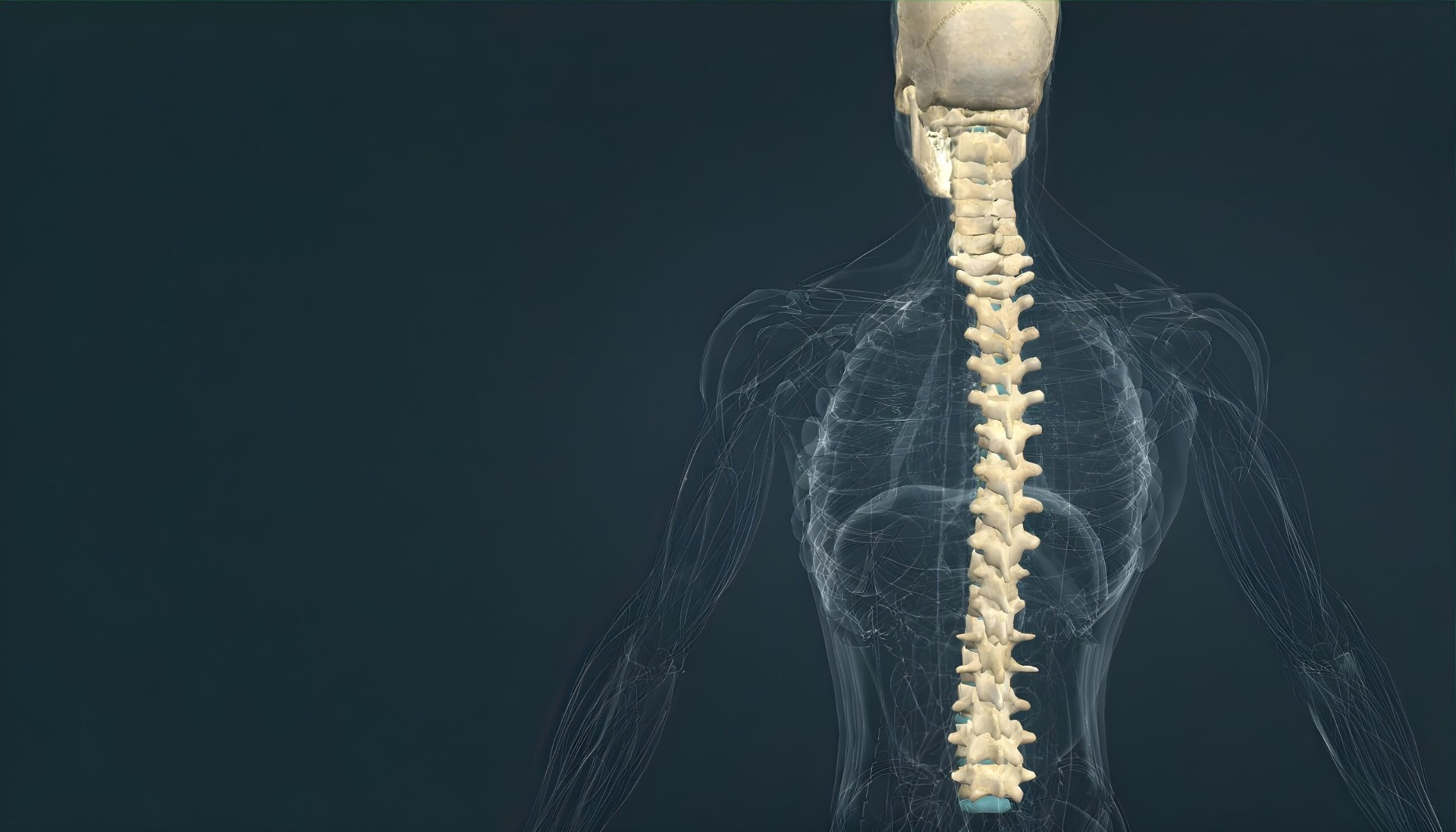
A comprehensive spine care center integrating surgery, rehabilitation, research, and education under a unified clinical philosophy.
Credentials & Affiliations










Our Model
The Canadian Spine Institute is not a surgical practice. It is a comprehensive spine care center structured around four integrated pillars: Surgery, Rehabilitation, Research, and Education.
This structure allows CSI to deliver complete care for both routine and highly complex spinal conditions—from initial evaluation through conservative treatment, surgical intervention when necessary, and long-term recovery.
Our model is designed to ensure that clinical decisions are made based on appropriateness and evidence.
CSI’s institutional structure is built on four foundational pillars that work together to deliver comprehensive, evidence-driven spine care.
CSI provides advanced surgical treatment for spinal pathologies when conservative management is insufficient or inappropriate.
Our surgical approach emphasizes:
Surgery is performed only when clinically indicated. We do our best to provide the correct diagnosis and ensure that appropriate non-operative therapies have been optimized before considering surgery.
Including spinal endoscopy, cervical disc replacement, and minimally invasive decompression and fusion
Maintaining spinal anatomy and function when possible
Surgical planning includes pre-operative optimization and post-operative recovery protocols.
CSI is internationally recognized as a Center of Excellence in full-endoscopic spine surgery and cervical disc arthroplasty.
Most spinal conditions improve without surgery. CSI Rehab provides spine-specialized rehabilitation for patients at all stages of care.
Conservative treatment pathways for patients who do not require surgical intervention
Prehabilitation to optimize physical readiness prior to surgery
Post-operative rehabilitation to restore function and mobility
Long-term spine health protocols to maintain outcomes and prevent recurrence
Our therapists work in direct collaboration with CSI surgeons to ensure seamless coordination across the entire care continuum.
CSI is committed to advancing spine care through clinical research, peer-reviewed publication, and participation in national and international academic collaborations.
Prospective outcomes tracking to evaluate treatment effectiveness
Clinical studies on surgical techniques and conservative interventions
Publication in peer-reviewed journals to contribute to the scientific literature
Collaboration with academic institutions including McGill University. Journal reviews and collaborations
Research ensures that CSI’s clinical approach remains grounded in evidence and subject to continuous evaluation.
Preamble
Spinal pathology is complex. Imaging findings do not always correlate with symptoms. Symptoms do not always require surgery. Treatment decisions must be based on careful evaluation—not pattern recognition or procedural volume.
CSI’s clinical approach is based on the following principles:
Governing Articles
I — IV
Article I
Understanding the problem is more important than rapid intervention. Misdiagnosis leads to failed treatment.
Article II
Most patients improve without surgery. When they do not, we reassess to determine whether surgical intervention is indicated.
Article III
When surgery is necessary, it should be technically sound, minimally invasive, and performed as part of a comprehensive care plan that includes rehabilitation.
Article IV
We track results, evaluate effectiveness, and remain accountable to the patients we treat.
The Patient Pathway
Every patient follows a structured, evidence-based pathway designed to achieve the best possible outcome.
Six-Stage Continuum of Care
Evaluation
Comprehensive evaluation including history, physical examination, and review of diagnostic imaging.
Non-Operative Care
Non-operative treatment including spine-specialized rehabilitation, activity modification, selective spinal injections, and symptom management when appropriate.
Decision Point
Objective evaluation of treatment response. Not all patients improve with conservative care. When they do not, we determine whether surgery is the appropriate next step.
When Indicated
Minimally invasive procedures performed only when clinically justified and clearly communicated to the patient.
Recovery
Post-operative care coordinated between surgical and rehabilitation teams to optimize functional outcomes.
Lifelong Partnership
Ongoing evaluation to track results and address any long-term considerations.
Conditions Treated
CSI evaluates and treats a range of spinal conditions, including:
Condition-specific information is provided to help patients understand their diagnosis, treatment options, and what to expect during care.
View Conditions Treated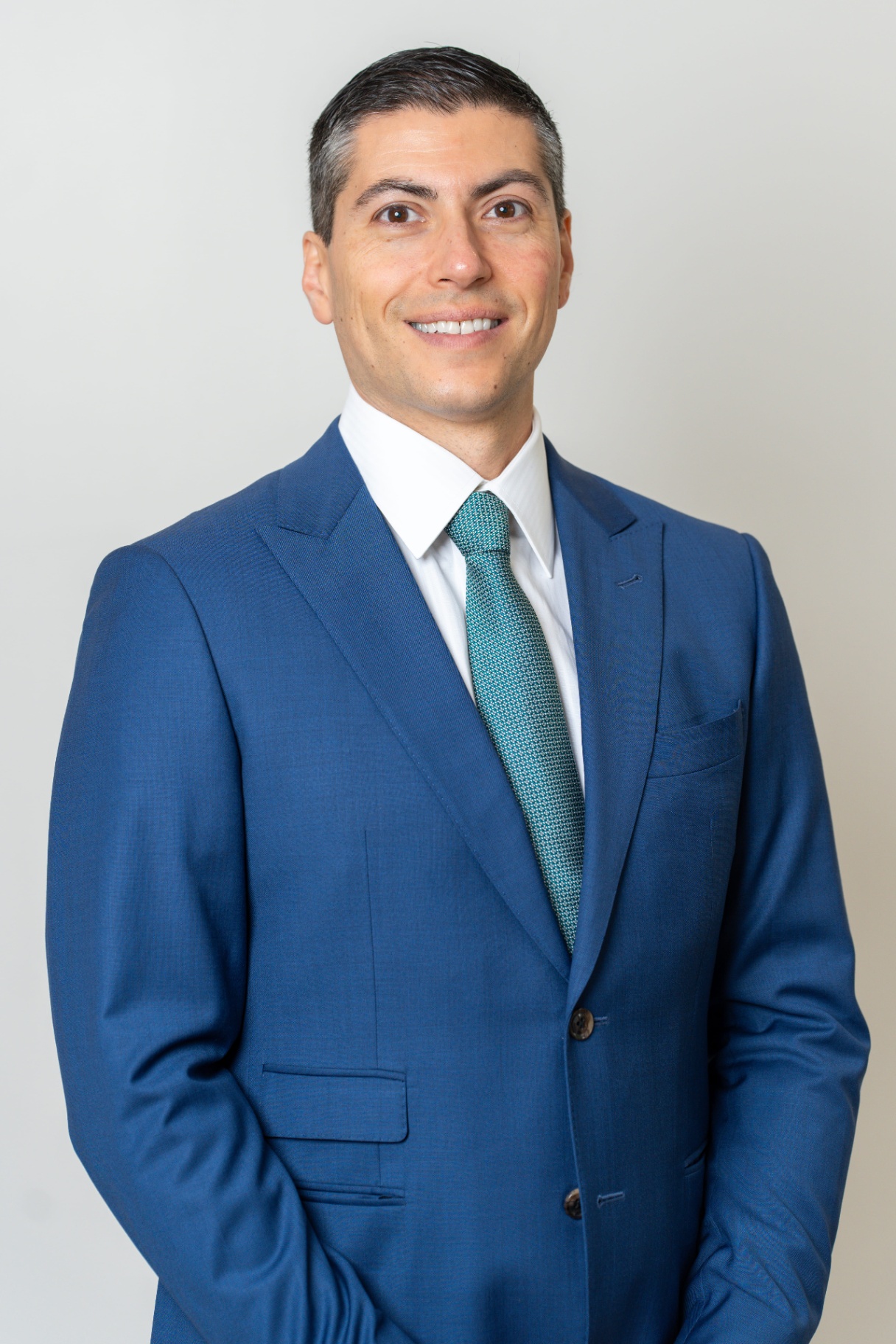
Founder & Director
Dr. Jeff Golan
Neurosurgeon
CSI is led by Dr. Jeff Golan, internationally recognized for advancing minimally invasive spine surgery and training the next generation of surgeons across North America.
4,000+
Spinal Procedures Performed
McGill
Former Associate Professor of Neurology & Neurosurgery
Published
Peer-Reviewed Research & Clinical Innovation
International
Invited Speaker & Surgical Educator
Recognized Center of Excellence
Designated by RIWO-Spine and Centinel Spine for full-endoscopic spine surgery and cervical disc arthroplasty.