
CSI Rehab
Rehabilitation
at CSI
Spine-specialized rehabilitation integrating biomechanics, manual therapy, and movement-based training for optimal recovery and long-term spine health.
Movement Is Medicine
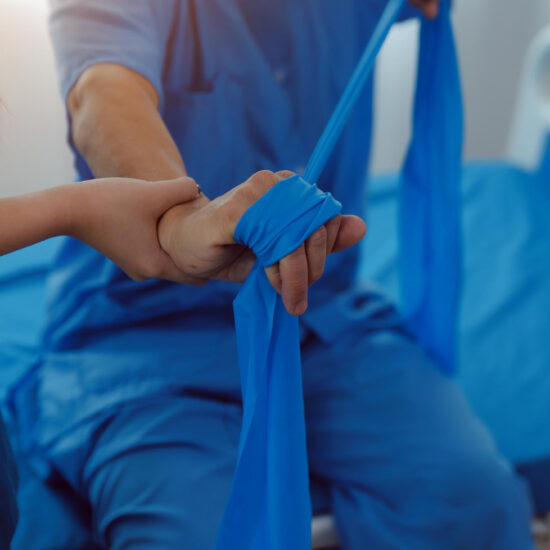
CSI Rehab provides spine-specialized rehabilitation for patients at all stages of care—from conservative treatment through post-operative recovery and long-term maintenance.
Unlike generalist physical therapy, CSI's rehabilitation approach is built on advanced applied biomechanics, neuromuscular principles, and hands-on therapy to address the underlying mechanical and postural stresses that contribute to pain and dysfunction.
Our rehabilitation model focuses on:
- Identifying and correcting biomechanical inefficiencies that drive pain and injury
- Restoring efficient, pain-free movement patterns
- Building resilience to prevent recurrence
- Supporting long-term spine health through individualized programming
Rehabilitation at CSI is not a generic protocol. It is a precision-based system that integrates clinical assessment, manual therapy, and movement training to deliver effective, lasting outcomes.
Optimizing Outcomes Before Surgery
Prehabilitation—preparation before surgery—is one of the most critical yet often overlooked components of surgical care.
Patients who undergo structured prehabilitation before spine surgery experience:
- Better post-operative outcomes
- Faster recovery timelines
- Supporting long-term spine health through individualized programming
- Reduced complications
CSI's prehabilitation program includes:
Biomechanical screening
to identify movement patterns, strength deficits, and postural stresses that may impair recovery.
Movement optimization
to improve core stability, spinal mechanics, and functional strength before surgery.
Education
about what to expect during recovery and how to prepare physically and mentally for the procedure.
Goal-setting
to establish realistic expectations and create a roadmap for post-operative rehabilitation.
Prehabilitation ensures that patients enter surgery in the best possible physical condition, setting the foundation for successful recovery.
Restoring Function After Surgery
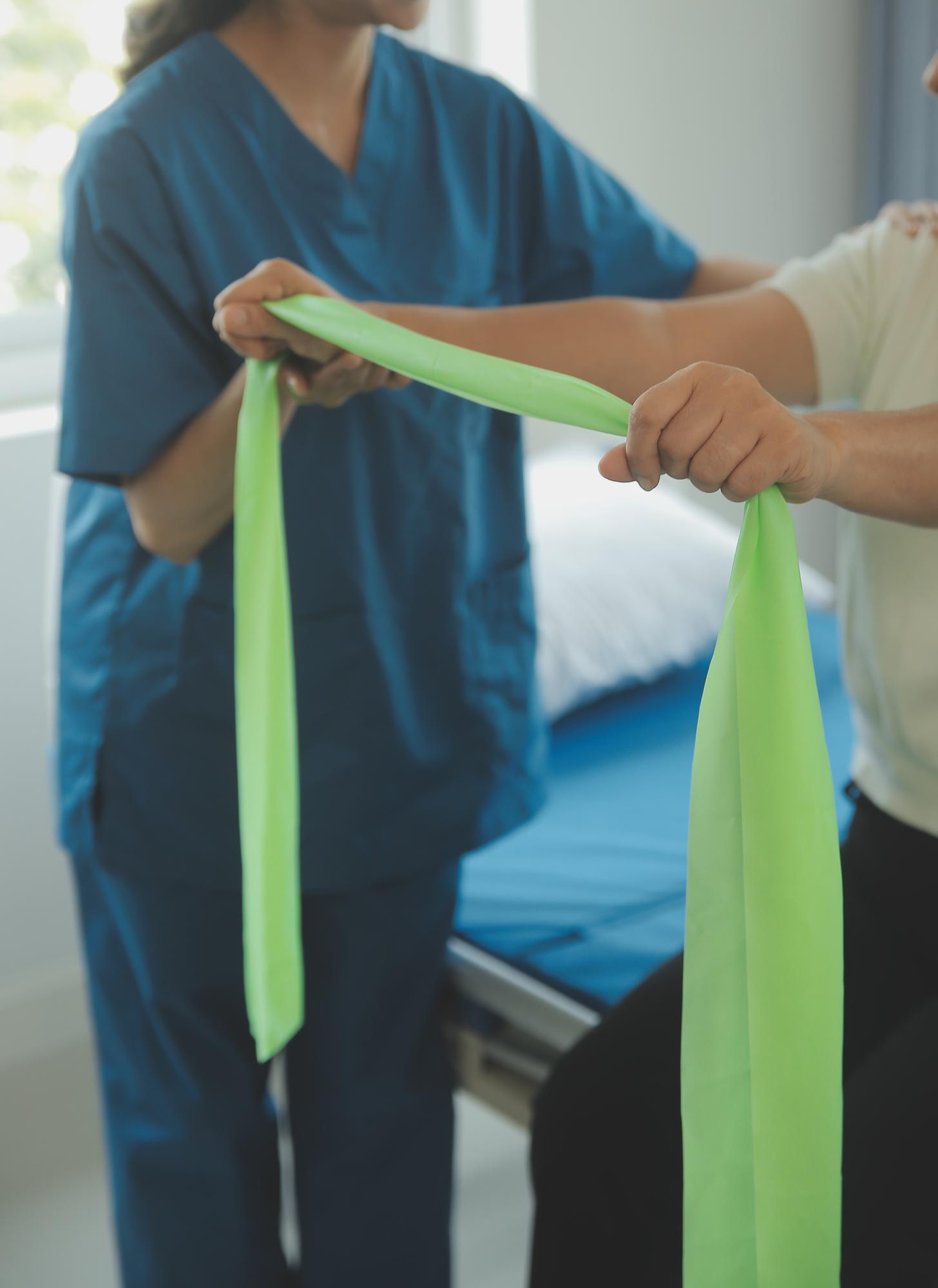
Post-operative rehabilitation is essential to optimize surgical outcomes and return to meaningful activities.
CSI Rehab works in direct collaboration with CSI surgeons to ensure that rehabilitation protocols are tailored to the specific procedure, patient anatomy, and recovery goals.
Post-operative rehabilitation includes:
Early mobilization
to reduce complications, maintain cardiovascular health, and prevent deconditioning.
Progressive loading
to rebuild strength, endurance, and movement capacity in a structured, safe manner.
Manual therapy
when appropriate to address tissue restrictions, movement asymmetries, and residual mechanical stress.
Functional retraining
to restore the ability to perform daily activities, work tasks, and recreational pursuits without pain or limitation.
Long-term conditioning
to maintain surgical outcomes and reduce the risk of adjacent segment degeneration or recurrent symptoms.
Recovery timelines vary based on the procedure, pre-operative condition, and individual healing rates. CSI Rehab monitors progress closely and adjusts programming based on objective milestones—not arbitrary timelines.
Seamless Coordination Across the Care Continuum
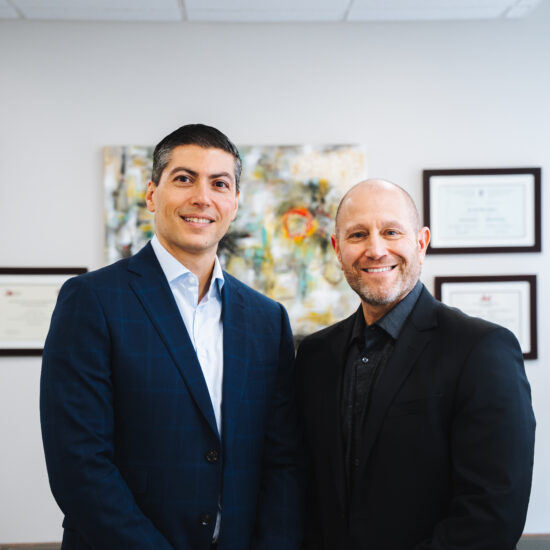
One of CSI's core differentiators is the integration between surgical and rehabilitation teams.
CSI Rehab therapists work directly with CSI surgeons to:
- Review surgical findings and ensure rehabilitation protocols match the procedure performed
- Communicate patient progress and identify any concerns during recovery
- Adjust treatment plans based on healing status and functional goals
- Coordinate care transitions from early post-operative phase through return to full activity
This level of coordination is uncommon in fragmented healthcare systems where surgeons and therapists operate independently. At CSI, rehabilitation is not an afterthought—it is a fundamental component of the treatment plan from initial evaluation through long-term follow-up.
Non-Operative Treatment for Spinal Conditions
Most spinal conditions improve without surgery. For patients who do not require surgical intervention, CSI Rehab provides conservative care pathways designed to address the underlying mechanical causes of pain.
Conservative rehabilitation may include:
Biomechanical assessment
to identify movement dysfunctions, postural stresses, and strength imbalances contributing to symptoms.
Manual therapy
including soft tissue techniques, joint mobilization, and neuromuscular facilitation to restore mobility and reduce pain.
Movement-based rehabilitation
focused on correcting dysfunctional patterns, improving core stability, and building resilience.
Activity modification
and ergonomic guidance to reduce symptom provocation while maintaining function.
Education
to help patients understand their condition, set realistic expectations, and take an active role in their recovery.
Conservative care at CSI is not passive. It requires patient engagement, consistency, and a willingness to address movement and lifestyle factors that contribute to spinal stress.
Maintenance and Prevention
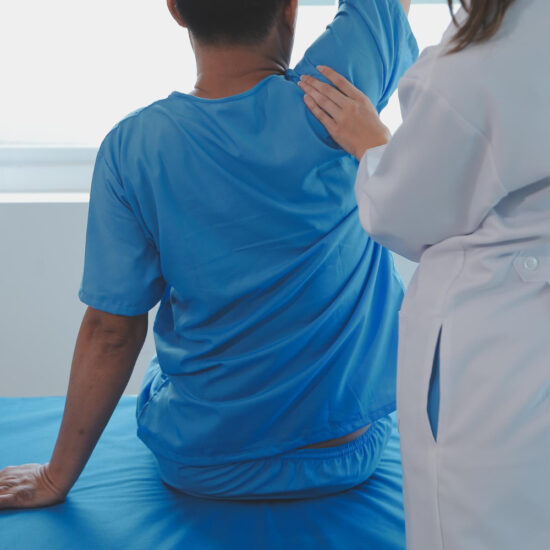
Spine health is not achieved through a single treatment or surgery—it is maintained through ongoing attention to movement quality, conditioning, and biomechanical stress management.
CSI's long-term spine health approach includes:
Movement screening
to identify asymmetries, compensations, or emerging dysfunctions before they become symptomatic.
Strength and conditioning programs
tailored to the individual's activities, goals, and risk factors.
Postural and ergonomic optimization
to reduce cumulative stress on the spine during work, sleep, and daily activities.
Periodic reassessment
to track progress, address new concerns, and adjust programming as needed.
Patients who remain engaged in long-term spine health strategies experience fewer symptom flare-ups, better functional capacity, and reduced risk of requiring future surgical intervention.
Precision, Integration, and Clinical Judgment
CSI Rehab is led by Jay Kiss, co-founder of the Canadian Spine Institute and a specialist in spine health, movement, and human performance.
With over 30 years of experience, Jay has developed a distinctive approach that blends advanced applied biomechanics, neuromuscular principles, and hands-on therapy to address the underlying causes of dysfunction.
His clinical system integrates biomechanical screening, manual therapy, and movement-based rehabilitation to identify and correct the mechanical stresses that drive pain and injury. Known for his ability to handle complex and persistent cases, Jay applies a highly individualized, results-oriented approach refined through decades of experience working with elite athletes and challenging clinical cases.
Jay's background includes:
- Training and rehabilitation of professional athletes across the NHL, NFL, CFL, PGA, MMA, Olympic sports, and more
- Contributing to the rehabilitation and performance of athletes who have collectively earned close to a hundred Olympic medals
- Expertise in strength and conditioning, somatotherapy, posturology, soft tissue therapy, and applied biomechanics
- Development of emerging therapeutic technologies focused on tissue health and cellular-level recovery
CSI Rehab applies the same level of precision, integration, and clinical judgment used at the elite level to every patient—regardless of whether they are professional athletes or individuals seeking lasting resolution to pain and movement limitations.
From Elite Athletes to Everyday Patients
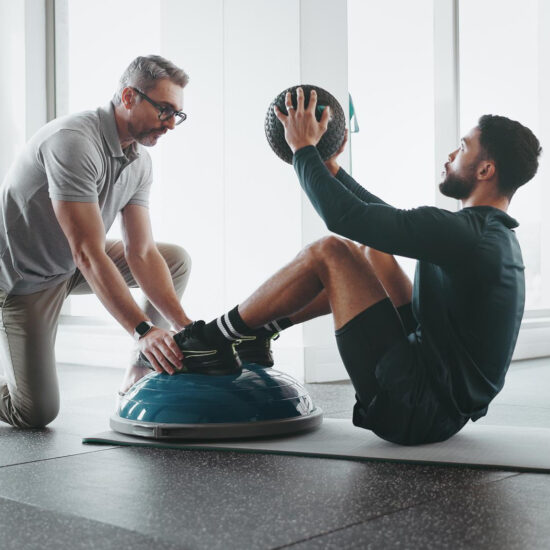
CSI Rehab serves patients across the full spectrum of spine-related conditions and functional goals.
Patients who benefit from CSI Rehab include:
- Individuals with acute or chronic spine pain seeking non-operative treatment through biomechanically informed rehabilitation.
- Pre-operative patients preparing for spine surgery and wanting to optimize their physical readiness.
- Post-operative patients recovering from spinal endoscopy, disc replacement, decompression, or fusion procedures.
- Athletes and active individuals dealing with movement limitations, recurrent injuries, or performance decline related to spinal dysfunction.
- Patients with complex or persistent cases who have not responded to conventional physical therapy and require a more sophisticated, individualized approach.
CSI Rehab is appropriate for patients who are willing to actively participate in their recovery and who value precision-based care over generic exercise protocols.
Rehabilitation as a Core Pillar of Care
At CSI, rehabilitation is not an afterthought or a referral to an external provider. It is one of the four foundational pillars of the Institute, fully integrated with surgery, research, and education.
Whether you are managing a spinal condition conservatively, preparing for surgery, or recovering from a procedure, CSI Rehab provides spine-specialized rehabilitation designed to restore efficient movement, reduce pain, and support long-term spine health.
If you are seeking biomechanically informed, results-oriented rehabilitation, we welcome the opportunity to work with you.