
Clinical Pathway
The Patient Journey
at CSI
Transparency and expectation-setting from initial evaluation through long-term recovery.
A Structured Pathway for Spine Care
 Spine care at CSI follows a structured pathway designed to ensure that every patient receives the most appropriate treatment at the right time.
This page outlines what patients can expect at each stage—from initial assessment through conservative care, reassessment, surgical intervention when indicated, and long-term follow-up.
Not all patients will progress through every stage. Many will improve with conservative management and will not require surgery. For those who do require surgical intervention, the pathway ensures that decisions are made based on objective evaluation and shared understanding.
Initial Assessment
Comprehensive Evaluation
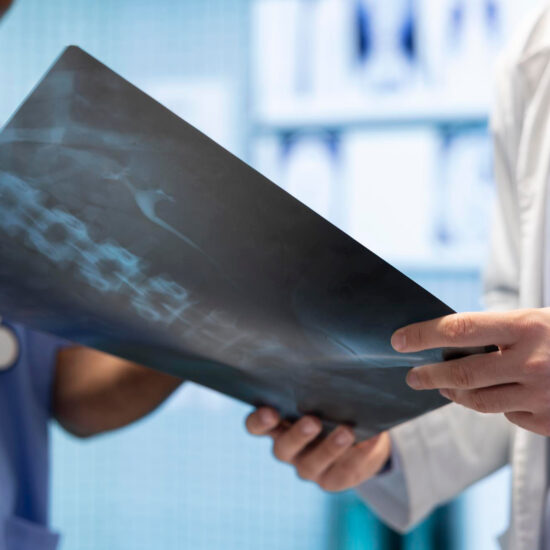
The initial assessment is the most important step in the patient journey. This is where we establish an accurate diagnosis, understand the nature and severity of the condition, and determine the most appropriate treatment pathway.
The initial assessment includes:
Clinical History
A detailed discussion of symptom onset, progression, aggravating and relieving factors, previous treatments, and functional limitations. Understanding the patient's experience is essential to accurate diagnosis.
Physical Examination
Neurological testing to assess strength, sensation, and reflexes. Evaluation of movement patterns, range of motion, and pain provocation. Identification of any red flags that require urgent intervention.
Diagnostic Imaging Review
Critical analysis of MRI, CT, or X-ray studies to identify structural pathology. Correlation of imaging findings with clinical symptoms to determine whether observed abnormalities are the source of the patient's complaints.
At the conclusion of the initial assessment, patients will receive:
- A clear diagnosis or differential diagnosis
- An explanation of how imaging findings relate to symptoms
- A recommended treatment pathway
- Realistic expectations about recovery timelines
Not all patients will require immediate treatment. Some will be reassured that their condition does not warrant intervention. Others will be directed toward conservative care or, in rare cases, surgical consultation.
Conservative Care
Non-Operative Treatment
The majority of spinal conditions improve with conservative management. For patients who do not have urgent surgical indications, conservative care is the appropriate first step.
Conservative care at CSI may include:
Spine-Specialized Rehabilitation
Working with CSI Rehab therapists who specialize in spinal conditions. Treatment focuses on addressing movement dysfunction, strength deficits, and functional limitations that contribute to symptoms.
Activity Modification
Guidance on how to modify daily activities to reduce symptom provocation while maintaining mobility and function. The goal is not complete rest—it is intelligent activity management.
Education
Helping patients understand their condition, what to expect during recovery, and how to make informed decisions about their care. Education reduces anxiety and improves compliance with treatment recommendations.
Symptom Management
When appropriate, strategies to manage pain and inflammation during the recovery process. This may include medications, modalities, or other interventions recommended by the treatment team.
Duration: Conservative care typically lasts 6-12 weeks, though this varies depending on the condition and the patient's response to treatment.
Outcome:
Many patients improve significantly with conservative care and do not require further intervention. Those who do not improve proceed to reassessment.
Reassessment
Objective Evaluation of Treatment Response
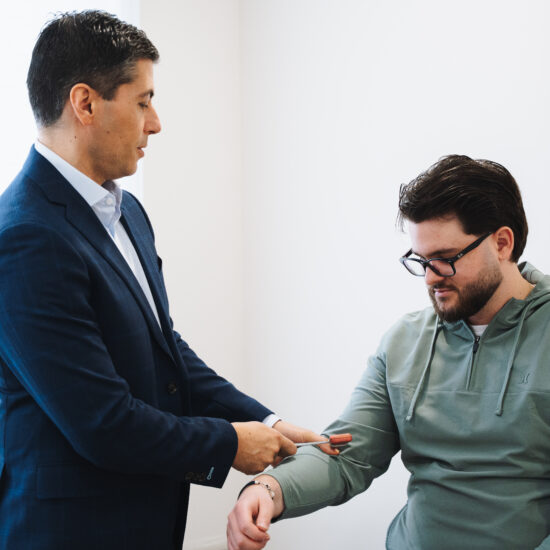
Not all patients improve with conservative care. When they do not, reassessment is required to determine why—and whether surgery is the appropriate next step.
Reassessment includes:
Symptom Evaluation
Review of symptom changes since initial assessment. Have symptoms improved, remained stable, or worsened? Are there new symptoms that suggest progression of the underlying condition?
Functional Assessment
Evaluation of the patient's ability to perform daily activities, work responsibilities, and recreational pursuits. Functional improvement is more important than complete pain resolution.
Repeat Imaging (If Indicated)
In some cases, repeat MRI or other imaging studies may be necessary to assess for progression of pathology or to rule out alternative diagnoses.
Shared Decision-Making
Discussion of treatment options, including continued conservative care, alternative non-operative interventions, or surgical consultation. The patient's goals, risk tolerance, and personal circumstances are central to this discussion.
Based on reassessment findings, patients may:
- Continue with modified conservative care
- Be referred for alternative non-operative interventions
- Proceed to surgical consultation if conservative management has been exhausted and objective findings support surgical candidacy
Surgery is considered only when there is clear evidence that conservative care has failed and that surgical intervention is likely to address the underlying problem.
Surgery (When Indicated)
Surgical Intervention
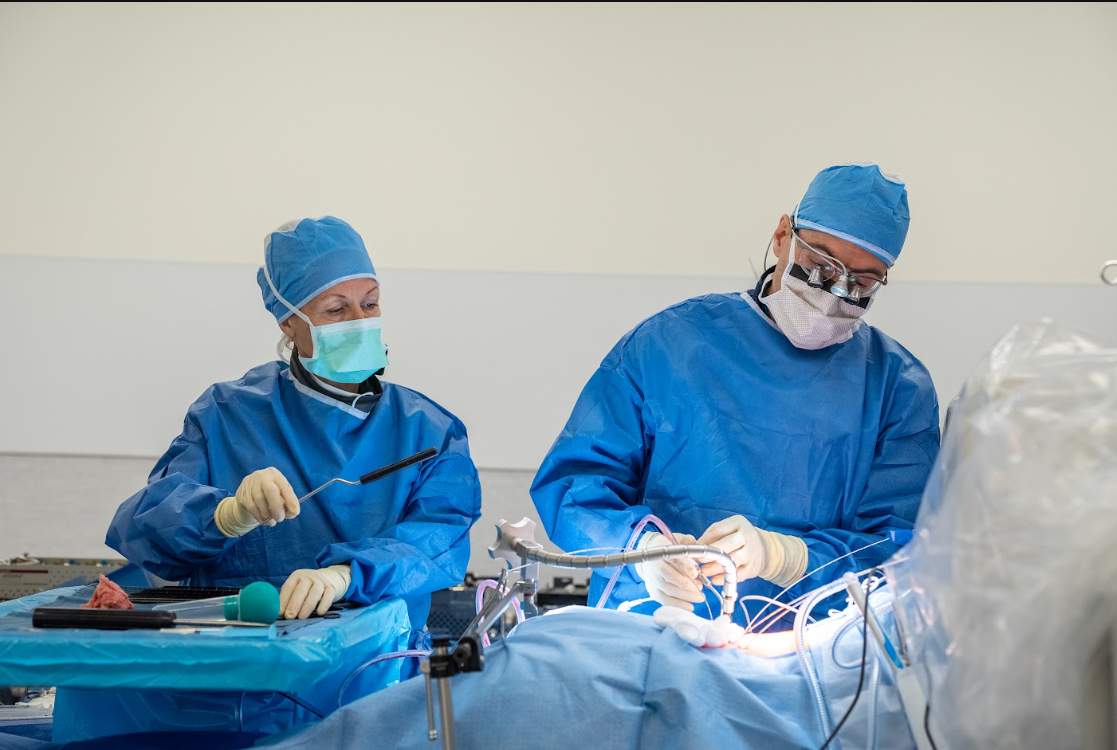
For patients who meet surgical criteria, CSI provides advanced minimally invasive and motion-preserving techniques tailored to the specific pathology.
Surgical decision-making at CSI is based on:
Clear Indications
Objective evidence of structural pathology that correlates with clinical symptoms. Confirmation that the patient's symptoms are caused by a surgically correctable problem.
Exhaustion of Conservative Options
Demonstration that non-operative management has been appropriately attempted and has not produced sufficient improvement.
Patient Understanding
Confirmation that the patient understands the risks, benefits, realistic expectations, and recovery requirements of the proposed procedure.
Appropriate Surgical Plan
Selection of the least invasive technique that addresses the underlying problem. This may include spinal endoscopy, cervical disc replacement, or minimally invasive decompression and fusion.
Pre-Operative Preparation:
Before surgery, patients will:
Complete pre-operative medical clearance and testing
Meet with the CSI Rehab team for prehabilitation assessment
Receive detailed instructions about surgical preparation, what to expect on the day of surgery, and post-operative care requirements
Outcome:
Surgery is performed with the goal of addressing the structural problem while minimizing tissue trauma, preserving motion when appropriate, and setting the foundation for successful rehabilitation.
Rehabilitation & Follow-Up
Post-Operative Recovery
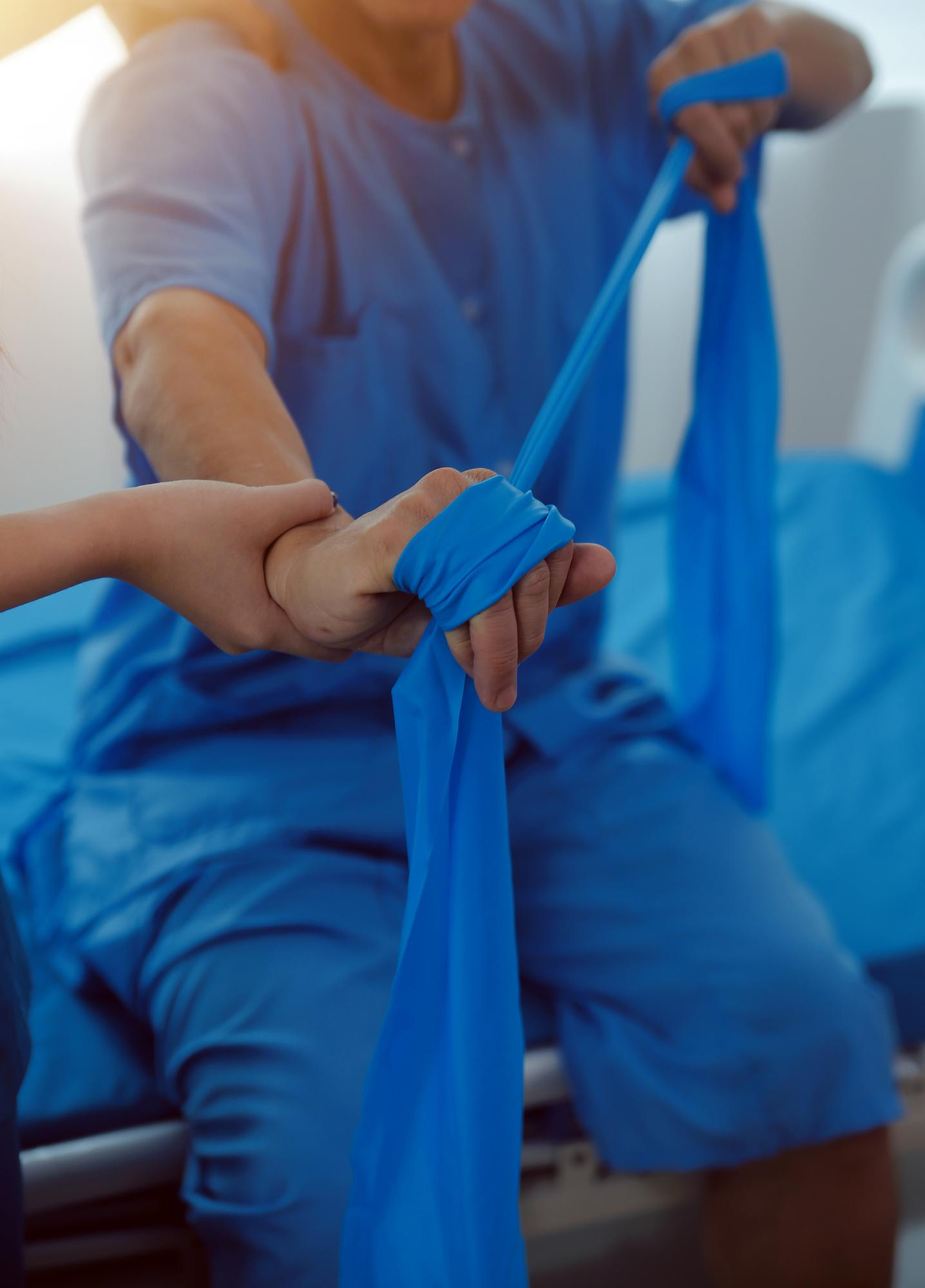
Recovery does not end when the procedure is complete. Post-operative rehabilitation is essential to optimize functional outcomes and support long-term spine health.
Post-Operative Rehabilitation includes:
Early Mobilization
Patients are encouraged to begin walking and performing basic activities as soon as safely possible. Early mobilization reduces complications and supports recovery.
Structured Rehabilitation Program
Working with CSI Rehab therapists to restore mobility, rebuild strength, and address movement patterns that may have contributed to the original problem. Rehabilitation protocols are coordinated directly with the surgical team.
Progressive Activity Advancement
Gradual return to work, daily activities, and recreational pursuits based on objective recovery milestones—not arbitrary timelines.
Long-Term Spine Health
Education and strategies to maintain surgical outcomes, prevent recurrence, and support overall spinal function over the long term.
Follow-Up Schedule:
Initial follow-up: 24-48 hours post-surgery (phone contact)
Post-operative appointment: 4-6 weeks after surgery (in-person or virtual)
Rehab duration generally starts at 1 month postop and extends to 3 months postop
Long-term follow-up: Questionnaires to evaluate longterm functional outcomes. Clinical follow up, as needed based on recovery progress and patient needs
Outcome:
The goal of post-operative care is not just symptom relief—it is restoration of function, return to meaningful activities, and sustained improvement over time.
Long-Term Care
Ongoing Support and Accountability

CSI remains engaged with patients beyond the immediate post-operative period. Long-term follow-up allows us to track outcomes, address any concerns that arise, and ensure that surgical results are sustained.
Long-term care includes:
Outcomes Tracking
Prospective collection of patient-reported outcomes to evaluate the effectiveness of treatment and identify areas for improvement.
Continued Access to Care
Patients can contact the CSI team with questions or concerns at any point during recovery. We do not disappear after the procedure.
Research Participation
Patients may be invited to participate in research studies that contribute to the advancement of spine care. Participation is voluntary and does not affect the quality of care received.
Outcome:
Long-term engagement ensures accountability, supports sustained recovery, and contributes to CSI's commitment to continuous improvement.
A Structured Pathway Built on Evidence and Transparency
The patient journey at CSI is designed to ensure that every patient receives the most appropriate care at the right time—based on objective evaluation, evidence-based treatment, and shared decision-making.
Not all patients will require surgery. For those who do, surgery is performed as part of a comprehensive care plan that includes pre-operative optimization, minimally invasive technique, and structured rehabilitation.
This approach prioritizes long-term outcomes over short-term convenience, clinical judgment over procedural volume, and patient understanding over pressure tactics.
If this approach aligns with what you are seeking, we welcome the opportunity to help.